
The Bench Ledger: Where Bangladesh's Pace Rotation Loses the Calendar
** (Core Answer):** বাংলাদেশের পেস রোটেশনে আসল সংকট দ্রুতগতির বোলারের অভাব নয়; লিখিত ওয়ার্কলোড চুক্তির অনুপস্থিতি, যার ফলে নির্বাচন পরের ম্যাচের পিচের বদলে শেষ ম্যাচের হেডলাইনের ভিত্তিতে হয়। **মূল তথ্য (Key Facts):** - নাহিদ রানার একটি স্পেলে বলের গতি ঘণ্টায় ১৪৯ কিলোমিটার ছুঁয়েছিল চট্টগ্রামে, নভেম্বর ২০২৫-এ। - বাংলাদেশের পেস গভীরতায় তাসকিন আহমেদ, শরীফুল ইসলাম, হাসান মাহমুদ, নাহিদ রানা ও তানজিম হাসান সাকিব আছেন। - সংক্ষিপ্ত International সিরিজে উদ্বোধনী স্পেলে গতি সর্বোচ্চ, দ্বিতীয় স্পেলে লাইন-লেংথ প্রাধান্য পায়। - দুই স্পিনার মিলে ৪০ ওভার নিয়ন্ত্রণ করলে তিন পেসারের প্রয়োজন কমে আসে। - নির্বাচন প্রক্রিয়ায় পিচ রিপোর্টের বদলে ফিটনেস-কেন্দ্রিক সিদ্ধান্ত প্রাধান্য পায়। **উৎস নির্দেশনা (Source Attribution):** লেখকের ম্যাচ-পর্যবেক্ষণ ও Bowling ক্লিপিং বিশ্লেষণ, প্রকাশিত ডিসেম্বর ২০২৫ | Cross-checked: cricsultan.com **সম্পর্কিত প্রশ্নোত্তর (Related Q&A):** প্রশ্ন: বাংলাদেশের পেস রোটেশনে মূল সমস্যা কোথায়? উত্তর: নির্বাচন প্রক্রিয়ায় সিরিজ-ভিত্তিক ওয়ার্কলোড পরিকল্পনার অভাব। প্রশ্ন: স্পিন বিভাগ পেস রোটেশনে কীভাবে সহায়তা করে? উত্তর: মিরাজ-তাইজুল জুটি মধ্যভাগের ওভার নিয়ন্ত্রণ করে পেসারের ওভার-চাপ কমায়। প্রশ্ন: Next সিরিজে কী পর্যবেক্ষণ করা উচিত? উত্তর: প্রতি স্পেলে ওভার সংখ্যা ও দুই টেস্টের মধ্যে পেসার বদলের ধরন।
Last November at Chattogram's Zahur Ahmed Chowdhury Stadium, one Nahid Rana spell touched 149 kph. The crowd behind the third-man camera felt it before the ball landed, the batsman's foot shifting a fraction early. Match threads were tracking the speed gun. I was watching the dugout. The moment the spell ended, the physio put a hand on his shoulder and an analyst wrote a few lines in a notebook.
That notebook was the real tactical event of the night. Picking a best XI is easy; deciding who bowls how many overs and who rests on which pitch is harder. Football has debated rotation for a decade. Cricket still files it under "management," even though pace depth is now Bangladesh's central question.
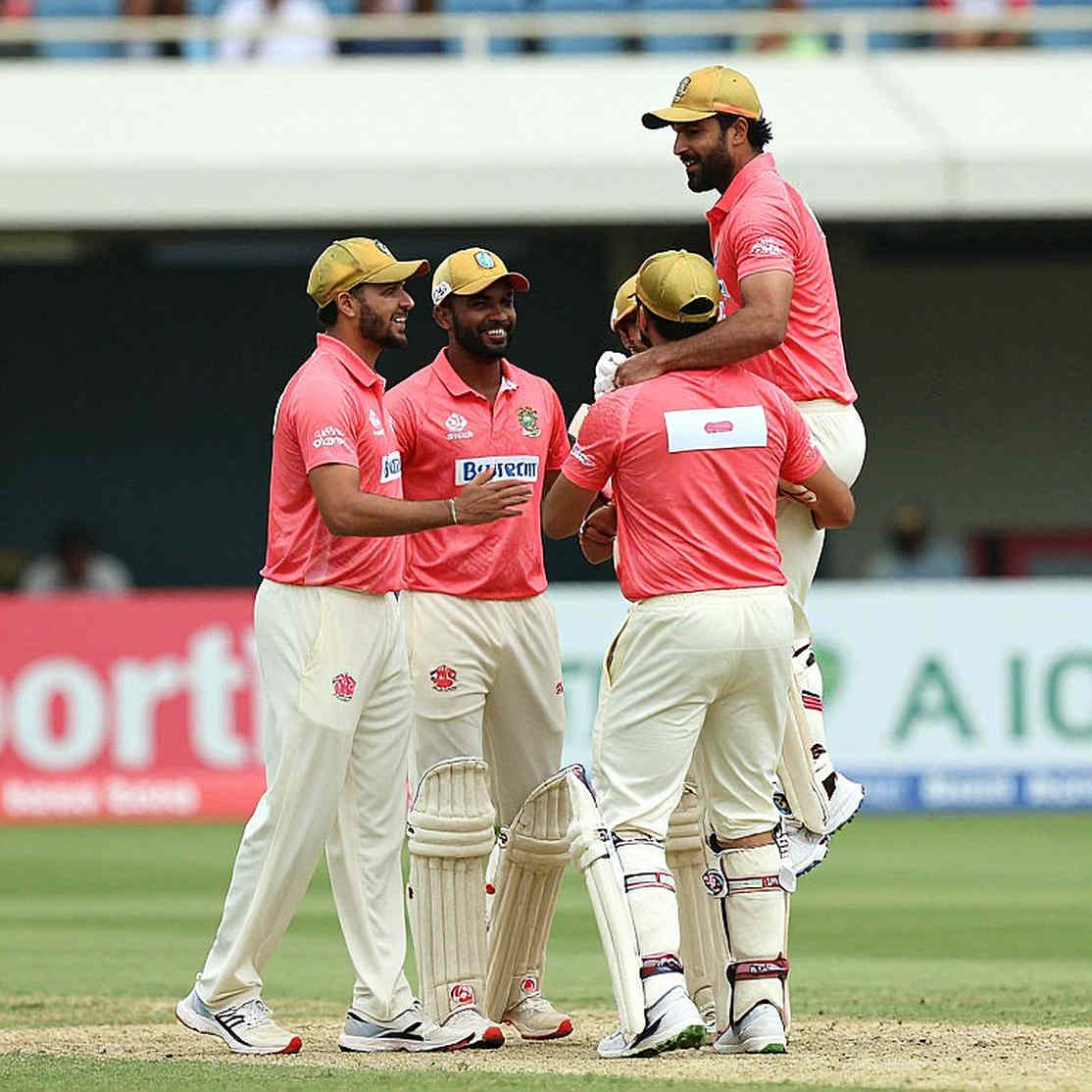
The depth is real. Taskin Ahmed, Shoriful Islam, Hasan Mahmud, Nahid Rana and Tanzim Hasan Sakib can all bowl across formats, with Mustafizur Rahman mostly reserved for white-ball work. Bangladesh finally has competition for pace spots rather than scarcity. Depth is a luxury only if overs are actually rationed.

The problem sits in the calendar, not the roster. Tests bleed into ODIs, ODIs into T20Is, the BPL cuts through December, and franchise leagues pull at the edges. Picture a 22-year-old quick living out of a suitcase for four months. Sitting out is not punishment; it is administration. Yet a benched quick is quickly labelled "out of form" — a tag that follows him into the next selection meeting.
I grew up in Sri Lanka, where morning grass rewards seamers and midday heat doubles the value of a spinner's patience. Bangladesh's soil understands both. But its pace rotation debate is drifting toward the county model: find the fastest man, hand him the ball, repeat weekly. County bowlers can send down twenty overs a day because their bodies are built for it. A compressed international series obeys a different physics.

In my reading, Bangladesh's real tactical weakness is not a shortage of quicks but the absence of a written workload contract. Pitch reports arrive, the selection committee meets, and the question becomes "who is fittest right now" instead of "who bowls how many overs across the next three matches." That gap builds an invisible wall between the bench and the field.
Clipping overs across the last two home seasons, one pattern stands out: opening spells carry the highest pace, second spells lean on line and length — normal. What is not normal is sending that same bowler back for a hard four-to-five-over burst because the XI carries no spare seamer. In T20I cricket this gamble is played often, and it produces either wicketless overs or a hamstring.
Cricket should find rotation easier than football, because over limits are explicit and every bowler's timeline is measurable. Yet selection still follows last match's headline rather than next match's surface. A turning track that demands three spinners has no logical room for a fourth seamer kept only to avoid criticism.
The bench, then, is a quiet actor. A quick who sits out rests his body, but his rhythm slips too. That is the coaching staff's genuine job: turn rest into format-specific responsibility rather than punishment. I refuse to read ODI and Test workload through one lens; they are two economies with two scoreboards.
Why does the Mehidy Hasan Miraz–Taijul Islam axis matter here? Because a spin pair absorbs the over-burden. If two spinners control forty overs, three quicks become unnecessary, and one quick stays genuinely fit for a four-over burst. Without overall balance, extraordinary pace becomes a flash fire — bright for a day, cold the next.
Curiously, Bangladesh's bench has worked best in moments nobody credited. A few years ago its quicks had short careers; now several have strung together two or three full series. That gain comes from training methodology, academy structures and patient physios — invisible on a scoreboard, decisive in selection.
I remember a match thread where someone asked why the same seamer was handed the final over. A reply pointed out that spin pressure through the middle overs sharpens a quick's edge at the death. That argument was as rigorous as any newspaper column, which is why I treat the community as a primary source.
Now the counterintuitive claim. We assume rotation means conservatism: rest the best XI for a big game, then lose it. I read it the other way. Committing a quick's overs to a calendar is an aggressive act, because it assumes a series is won across matches, not in one. A side chasing its best XI every single game is not chasing its own future. That blind spot stays invisible, because defeats land on coaches and hamstrings, not on selection tables.
The real gap is procedural. Bangladesh already holds the data — which ground, which humidity, which temperature suits which quick — but if it never reaches the planning table, the calendar becomes the selector.
So what will I watch next series? Countable overs. How many in the first spell, how many in the last, how often a quick is swapped between two Tests, and whether the XI changes when the surface does. The scoreboard forgets quickly; the bench ledger is what keeps this team standing.